The Difference Between CPP Film And PE Film
Dec 14, 2021
Simply put, it refers to the coefficient of surface slippage of the film, which has been learned in physics.
The common point of CPP film and PE film is that they can be heat sealed, but there are many differences between the two.
The mechanical strength of CPP film is higher than that of PE film.
The freezing resistance of PE film is better than that of CPP film. PE film works well at minus 18 degrees Celsius, while CPP film is very brittle at zero degrees Celsius.
The transparency of CPP film is better than that of PE film. The chemical resistance of PE film is better than that of CPP film.
Characteristics of CPP film
CPP film has the characteristics of good transparency, high gloss, good stiffness, good moisture resistance, excellent heat resistance, and easy heat sealing.
CPP film is printed and bagged, and is suitable for: clothing, knitwear and flower packaging bags; document and photo album films; food packaging; and metallized films suitable for barrier packaging and decoration. Potential uses also include: food packaging, candy packaging (twisted film), pharmaceutical packaging, replacing PVC in photo albums, folders and documents, synthetic paper, self-adhesive tape, business card holders, ring folders and standing bag composites Material.
CPP has excellent heat resistance. Since the softening point of PP is about 140°C, this type of film can be used in hot filling, retort bags, aseptic packaging and other fields. Coupled with its excellent resistance to acid, alkali, and grease, it becomes the first choice for bread product packaging or laminate materials. It is safe in contact with food, has excellent performance, does not affect the flavor of the food inside, and can choose different grades of resin to obtain the required characteristics.
Characteristics of PE film
1. Introduction of PE protective film: PE, full name Polyethylene, is the simplest polymer organic compound and the most widely used polymer material in the world today. The PE protective film is based on a special polyethylene plastic film, which is divided into multiple wiring polyethylene, high-density polyethylene, medium-density polyethylene and low-density polyethylene according to the difference in density.
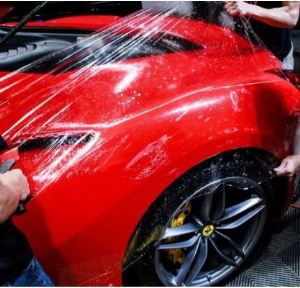
2. Application fields of PE protective film: stainless steel plate, aluminum plate, aluminum alloy profile, plastic steel profile and doors and windows, aluminum composite panel, fluorocarbon panel, mirror panel, sandwich color steel plate, fireproof panel, decorative panel, plexiglass panel, PS, PE, PVC board, sun board, anti-theft doors, signs, coated glass, high-end furniture, high-end crafts, electrical cabinets, computer shells, automotive lamps, floors, household appliances shells, instruments and meters, and other product surfaces that need to be protected in various fields use. 1) Thickness of PE protective film: 2) Color: transparent, blue, black, milky white, black and white, special colors can be customized according to customers 3) Width: within 1650mm, length within 1000M 4) Adhesion: 5- The 610g/50mm PE protective film is made of special polyethylene plastic film as the base material, a cross-linked acrylic resin as the adhesive, and then processed by several special additives. It is soft in nature, good in adhesion, easy to stick, easy to peel off, and peel off No residual glue.
3. The biggest advantage of PE protective film is to ensure that the protected product is not polluted, corroded, scratched during production, transportation, storage and use, and protects the original smooth and shiny surface, thereby improving the quality of the product And market competitiveness.
PE protective film is the simplest polymer organic compound and the most widely used polymer material in the world today.