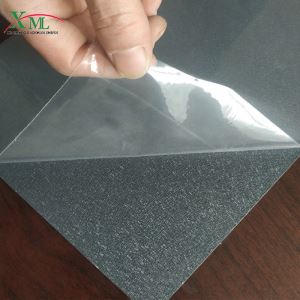
Process characteristics of electrostatic protective film
Oct 01, 2023
Static protection films are an innovation increasingly used to protect surfaces from damage and scratches. These films have a variety of process features that make them unique and suitable for different applications.
First, the electrostatic protective film has electrostatic adhesive properties, making it easy to apply and remove. This means no glue or adhesive is required when applying the film, ensuring that no residue or damage is left on the surface when the film is peeled off. This process makes the electrostatic protective film highly versatile and ideal for a variety of surfaces, including glass, metal and plastic.
Secondly, the electrostatic protective film has high transparency and can retain the color, brightness and visibility of the underlying surface. These films are optimized to reduce light reflection and ensure no loss of transparency when applied. This process means that the electrostatic protective film not only protects, but also enables users to fully enjoy the benefits of the surface material.
Third, static protective films resist damage from a variety of factors, including water, scratches, and UV rays. These films are engineered to protect the underlying surface from environmental factors that can cause damage and reduce the quality of the material. This is an important process that ensures the longevity and durability of the surface and prevents replacement costs.
In summary, electrostatic protective films have a variety of process characteristics, making them suitable for different applications. They are easy to apply and remove, highly transparent, and not easily damaged. These features ensure that the surface is protected, maintains its quality and remains durable. Static protective film is an innovation that offers users countless opportunities to protect and preserve their surfaces, making it a valuable addition to any protective measure.