

What is Floor Protection Film?
Floor protection film is a polyethylene film with a removable adhesive that can be used to protect hard surfaces like tile, hardwood, and laminate from damage.
Why Choose US
Professional team
Our professional team collaborate and communicate effectively with one another, and are committed to delivering high-quality results. They are capable of handling complex challenges and projects that require their specialized expertise and experience.
Innovation
We are dedicated to improving our systems continually, ensuring that the technology we offer is always cutting edge.
One stop solution
We can offer a range of services, from consultation and advice to product design and delivery. It is a convenience for the customers, as they can get all the help they need in one place.
24h online service
We try and respond to all concerns within 24 hours and our teams are always at your disposal in case of any emergencies.
-
![Blue Or Transparent Sticky Mats For Floor]()
Blue Or Transparent Sticky Mats For Floor
Add to Inquiry -
![PE Protective Film For Hardwood Floor]()
PE Protective Film For Hardwood Floor
Add to Inquiry -
![Customized Marble Screen And Floor Protective Film]()
Customized Marble Screen And Floor Protective Film
Add to Inquiry -
![Adhesive Film Roll For Floor Protection]()
Adhesive Film Roll For Floor Protection
Add to Inquiry -
![PE Adhesive Scratch Surface Protection Film For Floor]()
PE Adhesive Scratch Surface Protection Film For Floor
Add to Inquiry -
![PE Protective Film For Laminated Floor]()
PE Protective Film For Laminated Floor
Add to Inquiry -
![Protective Film for Floor]() Add to Inquiry
Add to Inquiry -
![Blue Floor Protection Film]() Add to Inquiry
Add to Inquiry -
![Polythene Floor Protection]() Add to Inquiry
Add to Inquiry -
![Sticky Plastic Floor Protector]()
Sticky Plastic Floor Protector
Add to Inquiry -
![Polythene Floor Covering]() Add to Inquiry
Add to Inquiry -
![Floor Protection Tape]() Add to Inquiry
Add to Inquiry


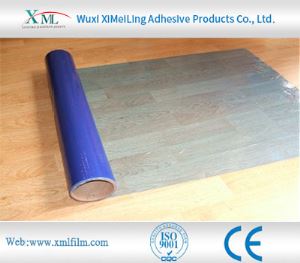
Features of Floor Protection Film
Carpet Protection Film is safe and simple way to protect carpeted floors against dirt and spills. This economical carpet film helps mask carpeted floors from stains, soiling, dust and construction debris due to its tacky surface adhering to the carpet to keep the film in place.
● Carpet Protection Film is easy to install with no tools required - simply unroll and adhere to the carpet. Almost 20% stronger than competitive carpet films.
● Thanks to the 3mil linear, low-density polyethylene film, this carpet film stays firmly in place yet is easy to remove within 30 days and does not damage the carpet.
● Protect carpeted floors for less than $0.12 per square foot!
● An applicator can be used to install this carpet protector even quicker and easier. Simply attach the carpet film to the applicator and it's ready to roll.
Self-Adhesive vs. Non-Adhesive Floor Protection
When undertaking construction or renovation projects, protecting your floors from potential damage is crucial. Self-adhesive and non-adhesive floor protection materials both serve this purpose but have key differences that make each better suited for certain situations.
|
Floor Protection Type |
Self-Adhesive |
Non-Adhesive |
|
Pros |
Easy application Reusable Everyday work suitability Surface versatility Customizable fit Heavy traffic durability |
Won't lift finishes Indefinite use Temperature resistant Affordability Recyclable Allows airflow |
|
Cons |
Can lift finishes Short-term use Temperature sensitivity Leaves residue Higher cost |
Labor intensive Taping residue Can slip out of place |
Floor Protection Performance by Flooring Material
When choosing floor protectors, it's important to consider the type of flooring you have. Different materials will react differently to self-adhesive or non-adhesive protectors. Here's a breakdown of common flooring types and how they perform with these protectors.
1. Hardwood Floors
Hardwood is a popular choice for many homeowners due to its aesthetic appeal and durability. However, hardwood can be susceptible to scratches and dents from furniture.
Self-adhesive protectors: They are often suitable for hardwood floors as they stay in place and provide good protection. However, over time, the adhesive may leave a residue that could damage the finish. Not worth the risk!
Non-adhesive protectors: These are really the way to go for hardwood. They just slide right onto furniture legs and stay put without any adhesive. This prevents any chance of residue messing up your floors.
Read to know more about hardwood floor protection: How To Protect Hardwood Floors With These 12 Easy Maintenance Tips.
2. Tile Floors
The tile is durable and water-resistant, making it ideal for bathrooms and kitchens.
Self-adhesive protectors: Tiles are so durable that sticky pads aren't likely to harm them at all. The adhesive won't damage or discolor ceramic, porcelain, or natural stone tiles. Just be aware the pads may be hard to remove later.
Non-adhesive protectors: These will work great on tile too, provided they fit tightly. Choose cushioned, non-slip bottoms to avoid scratches from sliding around.
3. Laminate Floors
Laminate is a less expensive alternative to hardwood but can still get scratched or damaged.
Self-adhesive protectors: It is advisable to steer clear of these on laminate because the adhesive could seep through seams over time and damage the protective top layer.
Non-adhesive protectors: Look for soft, non-slip pads sized correctly for your furniture. They won't leave residue and will distribute weight to prevent dents.
4. Carpeted Floors
Carpet provides a soft, warm surface underfoot, but heavy furniture can leave indentations.
Self-adhesive protectors: Don't bother with sticky pads on the carpet. They likely won't stick well to fibers and could leave a gluey mess.
Non-adhesive protectors: Non-adhesive, preferably spiked or cupped protectors, are more suitable. They distribute weight evenly and prevent furniture from sinking into the carpet.
5. Vinyl Floors
Vinyl floors are water-resistant and easy to maintain, but they can be susceptible to scratches and dents.
Self-adhesive protectors: These may work for a while, but the adhesive could react with vinyl and discolor it over time. You're better off playing it safe.
Non-adhesive protectors: Your best bet is soft pads with non-slip bottoms sized correctly for furniture legs. They'll provide scratch protection without any residue risks.
Before implementing any floor protectors, it's always a good idea to test them on an inconspicuous area first to ensure they won't damage your specific flooring type.
Key Considerations When Deciding
Various factors should guide the decision between self-adhesive and non-adhesive floor protection methods. Aspects to evaluate include:
Duration: If long-term protection is needed, non-adhesive may be better. For short-term use, the adhesive is fine.
Floor Type: Certain options are better suited to carpet, tile, wood, concrete, etc. Match the material to the surface. Read for more details: Types of Floors and Methods of Construction of Floors.
Convenience: Self-adhesive saves installation time and labor. Non-adhesive requires more hands-on work.
Budget: Adhesive films cost more per square foot compared to non-adhesive papers or mats.
Eco-Impact: Non-adhesive paper and cardboard are more environmentally friendly and recyclable.
Testing First: Always test products in an inconspicuous area first to check for any potential damage or issues.
To determine the best solution, carefully examine the unique needs of the project and the characteristics of the flooring. Testing products first provides further assurance an optimal choice is made.
Choosing the Right Thickness and Material
The thickness and material composition of floor protection products are other important factors to consider:
Thicker materials like 1/8" foams and films stand up better to heavy foot traffic and dropped tools/materials. Thinner covers like paper are easily punctured.
Soft materials like felt and foam cushion impacts. Hard plastic films provide a smoother surface but less shock absorption.
Low-density polyethylene and vinyl films offer maximum tear resistance. Paper and cardboard rip more easily under strain.
Fire-retardant and anti-static materials are safer for welding, soldering, and similar hot work. Basic covers can be fire hazards.
Reinforced films and grids help distribute weight and prevent indentation damage to softer flooring underneath.
Materials with reinforced lamination technology, create a flatter and firmer protective surface that is slip-resistant and highly durable.
Breathable materials are better for spill resistance and preventing moisture buildup.
All-around protection against scratches, spills, paint, mud, dust, and debris is also key. Some temporary floor covers offer full protective coverage for hardwood, tile, concrete, and most flooring types.
Reusability and customization add further value. The biodegradable floor protection can be reused and even customized for a perfect fit.
How To Install Carpet Film?
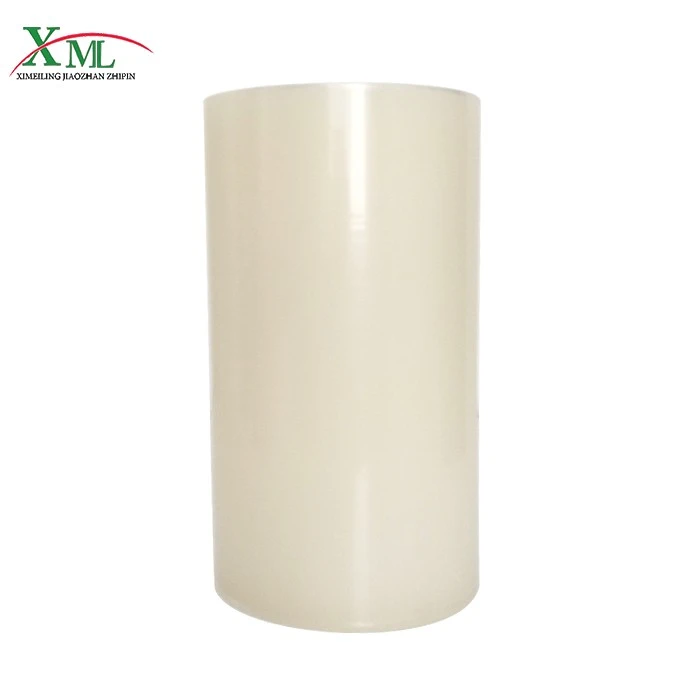
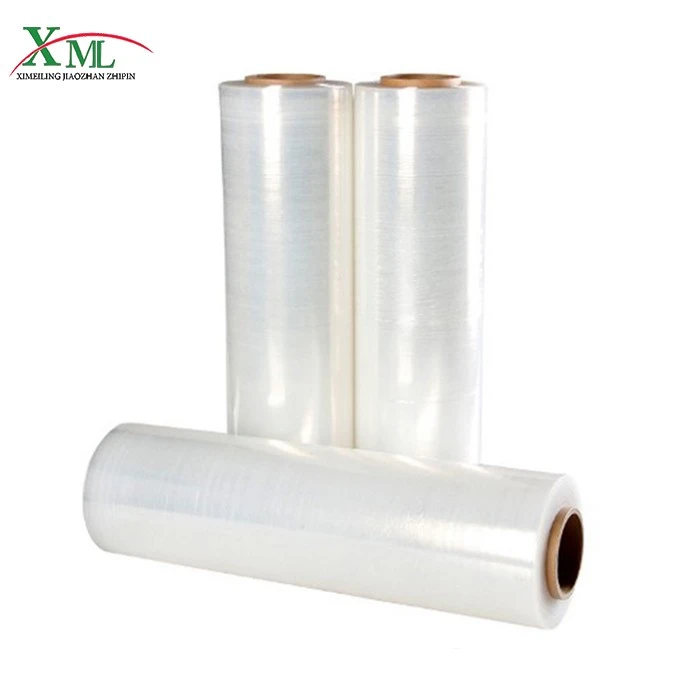
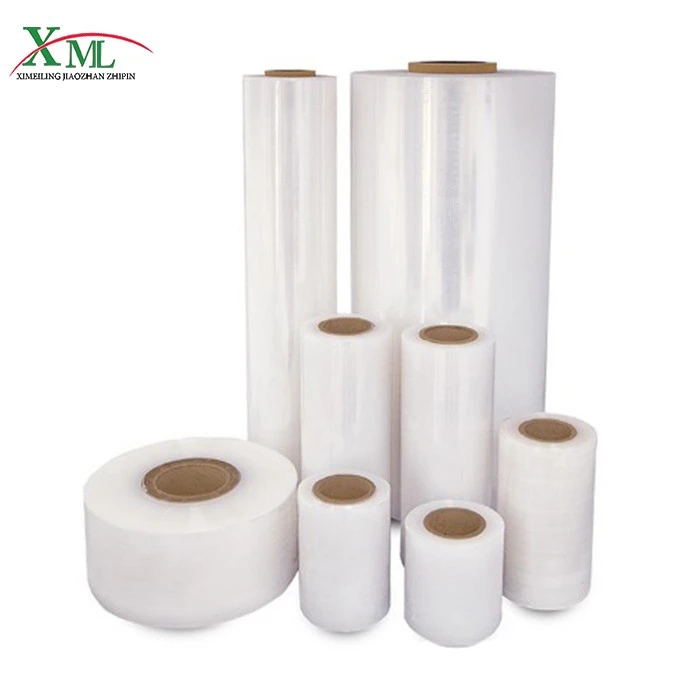
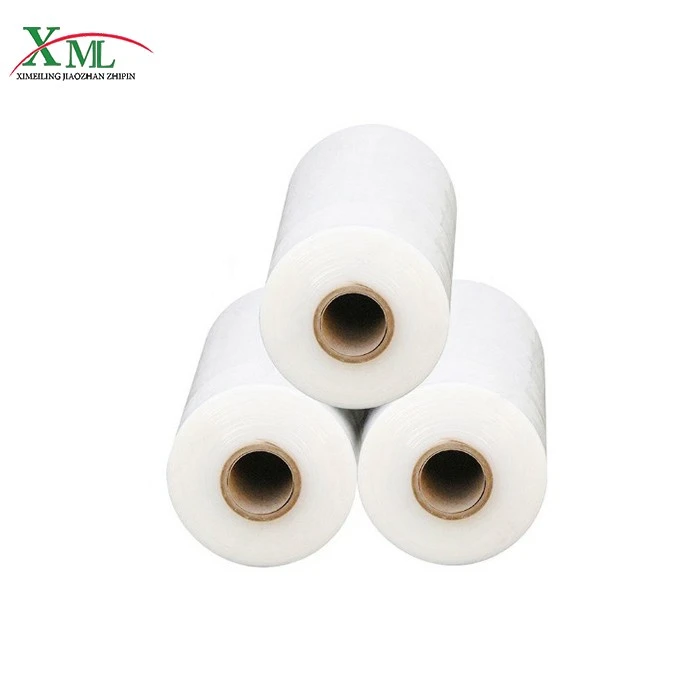
When applied, a tight bond is formed, but it won't leave a sticky residue behind when removed. The film is easily molded into corners and crevices so it's perfect for stair protection and tight spots. Carpet film is quick and easy to install:
First, vacuum your carpets. Although designed with an adhesive residue, the tackiness of the film will not bond with the carpet if dust and dirt is present.
Next, determine what size carpet film is needed. Calculate how many rolls of carpet protection film is needed to completely cover your surface.
If you have a large area to cover, we recommend using a surface film applicator. Durable steel construction promises years of continued use and removes the chore of wrestling with tacky, giving you a smooth application. Use the easy pin and lock system to adjust the applicator's width to match your roll size.
Roll away! Once your applicator is locked and loaded, simply push forward to rotate the film roll. When your area is completely covered, cut the carpet cover film with a utility knife or box cutter.
Don't put yourself in a bind with carpet film
We get it. Surface protection products that include a residue backing can be risky. But if installed correctly and removed in a timely manner, Here are some tricks of the trade we've picked up over the years if things do go wrong:
● Wait 72 hours after new carpet is installed to apply carpet protection film
● Spot test the carpet film in an inconspicuous area before applying to your entire surface
● Never leave carpet film down for more than 30 days
Which Type of Floor Protection is Best For My Job?
To ensure that you choose the correct type of floor protection there are 5 points to consider:
There are many different types of flooring on the market, each with different properties that may require a different type of protection:
Wooden floors? Our Breathable Fleece Protection has been specifically designed for newly laid wooden floors, which require a permeable membrane to cure.Carpet? Our carpet protection film provides the solution to carpet protection. Made from self-adhesive polythene, it can be effortlessly applied to provide a waterproof barrier.Hard surface, such as tiles, lino, laminates or marble? Our Hard Surface Film is similar to the carpet protection film, but with low tack to allow easy, non-residue removal from hard surfaces. Impact protection? Our protection boards are ideal for protecting all flooring surfaces such as wood, carpets and tiles. Whilst these are not adhesive to the floor, they are easy to lay down and remove and will absorb impacts.
Each year there are a number of serious fires on construction sites and buildings undergoing refurbishment. Many of our products are flame retardant and certified to the loss prevention standard, LPS1207. Each certified product has a legally required LPCB Mark and certificate number printed on it.
If the area you are protecting will be subject to a high volume of traffic and heavy machinery, it is advisable to use one of our Floor Protection Boards: they come in a variety of different thicknesses to provide impact protection. We would advise using our Bufferboard as the ultimate in impact protection. In contrast, if the traffic will be minimal, our floor protection film or card may be all that is required.
Maybe you have a highly sensitive area such as a high gloss surface to protect. Any dirt or debris trapped between the floor and the temporary protection covering may scratch the floor. We would advise in this situation to cover the floor initially with our Protection Fleece before covering with another form of protection.
Carpet film in particular must not be applied to hard surfaces such as marble and wooden floors as the adhesive will be too tacky and will be difficult to remove. Instead, use our hard surface film. Protection film must be removed from the floors within six weeks of being laid. Do not use film on floors which have under floor heating working. For protecting windows, use window protection film rather than hard surface film as it has UV protection to provide protection from the sunlight. Our Floor Protection Boards and Bufferboard will lift up with ease as these are not adhesive to the surface they are covering.
Our Factory
Wuxi Ximeiling Adhesive Products Co., Ltd. is located in the scenic coast of Taihu Lake, the birthplace of national industry and commerce, Jiangnan city of Wuxi. The company was founded in 2001, in the field of adhesive products we have many years of experience in the production of professional enterprises. The company provides a full range of protection film industry chain services, the production of various types of acrylic protective film, glass special protective film, aluminum plastic doors and windows profiles protective film, Stretch film, stainless steel color plate protective film, security door protective film, carpet Floor protective film, building decoration materials protective film, aluminum, household appliances, such as protective film products by all users of praise.
FAQ
As one of the most professional floor protection film manufacturers and suppliers in China, we're featured by quality products and competitive price. Please feel free to wholesale cheap floor protection film from our factory.
dirt protection film for carpets, reusable cotton wrap film, cotton film roll for sealing